What the Mediterranean diet actually is
The Mediterranean diet isn't a crash plan or a list of forbidden foods — it's the everyday way of eating along the sunny coasts of Spain, southern Italy and Greece. At its heart, the mediterranean diet weight loss approach is built on simple, minimally processed ingredients: plenty of vegetables and fruit, beans and lentils, whole grains, olive oil, nuts, herbs, plus moderate amounts of fish and poultry. Red meat, refined sugar and ultra-processed snacks sit at the edges, eaten rarely rather than daily.
What makes the spanish diet version distinct is its love of bright, sharp flavors — Seville oranges, garlic, smoked paprika, tomatoes, sherry vinegar and seafood pulled fresh from the Atlantic and Mediterranean. Meals are unhurried and shared, which naturally slows eating and helps your body register fullness before you overeat. It's less a "diet" in the dieting sense and more a sustainable lifestyle, which is exactly why it tends to work where stricter plans fail.
Why it supports weight loss and metabolism
There's no single magic mechanism — instead, several gentle factors stack up in your favor:
The weight-friendly advantages
- High satiety per calorie: fiber from vegetables, legumes and whole grains slows digestion, so you feel satisfied longer and tend to eat less without counting.
- Steadier blood sugar: swapping refined carbs for whole foods and healthy fats helps avoid the energy crashes that trigger cravings.
- Healthy fats over empty ones: olive oil, nuts and oily fish provide monounsaturated fats and omega-3s that support a healthy inflammatory response, which may help with metabolic balance.
- Naturally lower added sugar: sweetness comes from real fruit and citrus, not soda and packaged treats.
- Sustainability: because the food is genuinely enjoyable, people are far more likely to stick with it long term — and consistency is what drives lasting results.
Together these effects may help support a healthier, more active metabolism. If you want to dig deeper into the science of how your body burns calories, our guide to metabolism-boosting foods pairs perfectly with this article, and you can also learn how to boost your metabolism naturally with daily habits.
Key Spanish-style foods to build meals around
You don't need exotic ingredients to eat this way. Focus on these mediterranean foods, most of which are easy to find in any supermarket:
Extra-virgin olive oil
The cornerstone of the Spanish kitchen. Used for dressing salads, roasting vegetables and finishing dishes, it delivers monounsaturated fats and polyphenols. A drizzle adds flavor and satiety that keeps you from reaching for less healthy snacks.
Citrus fruits
Oranges, lemons and especially bitter Seville oranges are woven through Spanish cooking. Citrus is low in calories, rich in vitamin C and flavor-forward, helping you season food without extra salt or sugar. The bitter compounds in Seville orange peel are also the inspiration behind one of CitrusBurn's signature ingredients.
Vegetables and legumes
Tomatoes, peppers, spinach, artichokes, eggplant, chickpeas and lentils form the bulk of most plates. They are high in fiber and water, low in calories, and incredibly versatile in stews, salads and tapas.
Fish and seafood
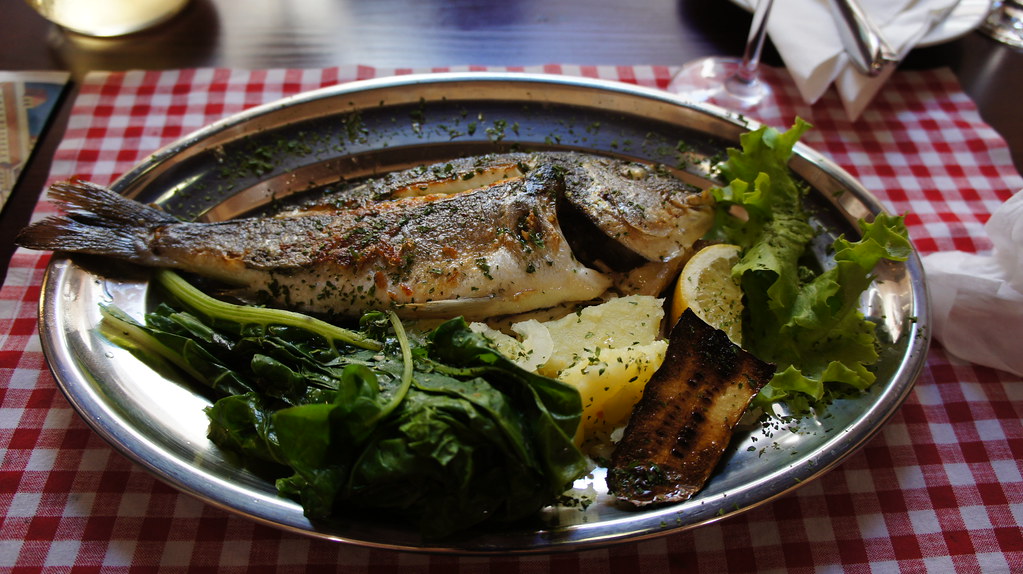
Sardines, anchovies, hake, prawns and tuna provide lean protein and omega-3 fatty acids. Eating fish a few times a week supports fullness and helps preserve lean muscle while you lose fat.
The Spanish approach proves that "eating for fat loss" doesn't have to mean bland chicken and steamed broccoli. Bold, satisfying food can absolutely work in your favor.
A simple Spanish-style sample day
Here's what a balanced, weight-friendly day on this plan might look like:
| Meal | Example |
|---|---|
| Breakfast | Whole-grain toast rubbed with tomato and a drizzle of olive oil, a boiled egg, and a fresh orange. |
| Lunch | Chickpea and spinach stew with smoked paprika, a side salad dressed in olive oil and sherry vinegar. |
| Snack | A small handful of almonds and a few olives, or citrus segments with mint. |
| Dinner | Grilled sardines or hake with roasted peppers, garlic and a squeeze of lemon. |
| Drinks | Water, sparkling water with citrus, or green tea instead of sugary beverages. |
Notice how every meal centers on vegetables, healthy fat and protein — there's no calorie counting required, just smart food choices. If belly fat is your main concern, combine this style of eating with the strategies in our guide on how to lose belly fat.
How CitrusBurn's Spanish-inspired ingredients fit in
CitrusBurn was created in the same spirit as the Spanish table — drawing on traditional Mediterranean ingredients and pairing them with other plant-based botanicals. Its formula features Seville orange peel (the source of p-synephrine), Spanish red apple vinegar and Andalusian red pepper, alongside ginger, green tea and Korean red ginseng. These are designed to complement — not replace — a healthy Mediterranean-style diet, supporting your metabolism and energy as you build better eating habits.
Think of it this way: the food on your plate does the heavy lifting, while a thermogenic supplement may offer gentle daily support. Explore the full CitrusBurn ingredient breakdown and the key benefits of CitrusBurn to see how the Spanish-inspired formula lines up with the diet described above.