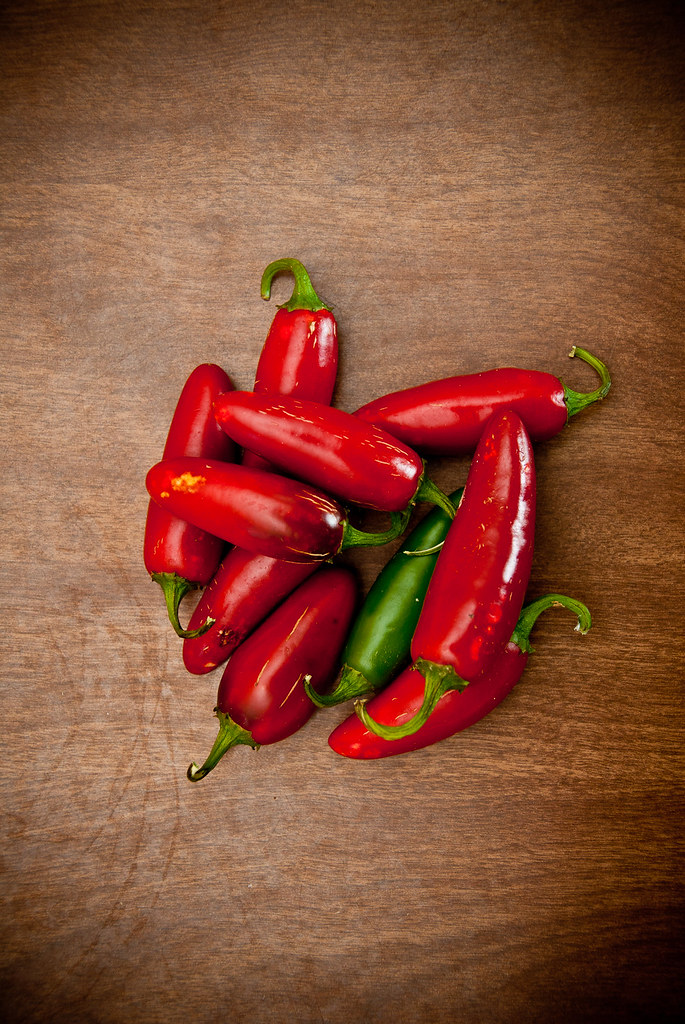
What is Andalusian red pepper?
Andalusian red pepper is a sun-ripened chili from the southern Spanish region of Andalucía, where peppers have been dried, milled and woven into the local kitchen for centuries. Botanically it belongs to the Capsicum family — the same group of plants that gives us cayenne, paprika and the warm pimentón that flavors so many Spanish dishes. What makes these peppers interesting for metabolism is not their flavor but a single naturally occurring compound: capsaicin.
Capsaicin and thermogenesis
Capsaicin is the active phytochemical responsible for the heat you feel when you bite into a chili. That heat is more than a sensation. Capsaicin interacts with TRPV1 receptors — tiny temperature and "spice" sensors found throughout the body — and this signaling is linked to thermogenesis, the process by which your body produces heat and, in doing so, burns calories. Researchers studying capsaicin weight loss mechanisms describe how the compound may nudge the body toward using stored energy rather than holding onto it.
This is the same broad pathway CitrusBurn is built around. If you want the full picture of how heat production ties into fat metabolism, our explainer on what thermogenesis is and why it matters breaks it down in plain language.
Why capsaicin earns its place
- Thermogenic signal: activates TRPV1 receptors tied to heat production.
- Post-meal effect: studied for a modest bump in calories burned after eating.
- Appetite tone: may help some people feel satisfied with less.
- Heritage-backed: a cornerstone of the Andalusian and wider Mediterranean kitchen.
Post-meal calorie burn
One of the most-cited findings in the red pepper metabolism literature is diet-induced thermogenesis — the gentle rise in energy expenditure that follows a meal. Small human studies suggest that adding capsaicin (or capsaicinoids from peppers like cayenne) to a meal can modestly increase this post-meal calorie burn and fat oxidation compared with the same meal without it. The effects are real but moderate: capsaicin is designed to support a healthy metabolism alongside sensible eating and movement, not to replace them. CitrusBurn pairs it with five other ingredients precisely because each contributes a different, complementary angle. You can see how Andalusian red pepper sits next to the rest in our complete ingredient breakdown.
Capsaicin and appetite
Beyond calorie burn, capsaicin has been studied for its influence on appetite and satiety. Several trials report that a capsaicin-containing meal can lead people to feel fuller and to consume fewer calories at the next eating occasion. The proposed reason is a combination of the warming sensation slowing the pace of eating and capsaicin's effect on hunger-signaling hormones. For most people the practical takeaway is simple: a little heat may make it easier to stop at "satisfied." This appetite angle complements the fullness support from Spanish red apple vinegar, another CitrusBurn ingredient.
A taste of Spanish culinary heritage
Long before anyone measured capsaicinoids in a lab, the cooks of Andalucía understood that a pinch of dried red pepper transformed a dish. Smoked and sweet pimentón seasons chorizo, octopus and slow-cooked stews; whole dried ñoras flavor romesco and countless rice dishes. This is the same Mediterranean tradition — abundant plants, gentle spice, real food — that modern science keeps revisiting for its links to healthy weight. If that way of eating appeals to you, our guide to the Mediterranean diet for weight loss shows how to put it on your plate, and our roundup of metabolism-boosting foods features red pepper among the everyday favorites.
Safety and who should check first
Used at culinary and supplement doses, capsaicin from red pepper is generally well tolerated. Because it is heat-active, some people notice a warm sensation, mild stomach upset or, rarely, reflux — usually easing when taken with food. The dose in a daily capsule is far lower than what you would experience eating a whole fresh chili. As with any supplement, you should speak with your physician before use if you are pregnant or nursing, take medication (especially blood thinners or blood-pressure drugs), or have a sensitive stomach or an ulcer. For the broader picture across the whole formula, read our side effects and safety guide.
Andalusian red pepper in CitrusBurn™
Inside CitrusBurn, Andalusian red pepper supplies the capsaicin that helps power the formula's thermogenic angle — working alongside Seville orange peel and the other plant-based ingredients to support metabolism, energy and healthy fat burning. Each easy-to-swallow capsule is made in the USA in an FDA-registered, GMP-certified facility, and every order is protected by a 180-day money-back guarantee.