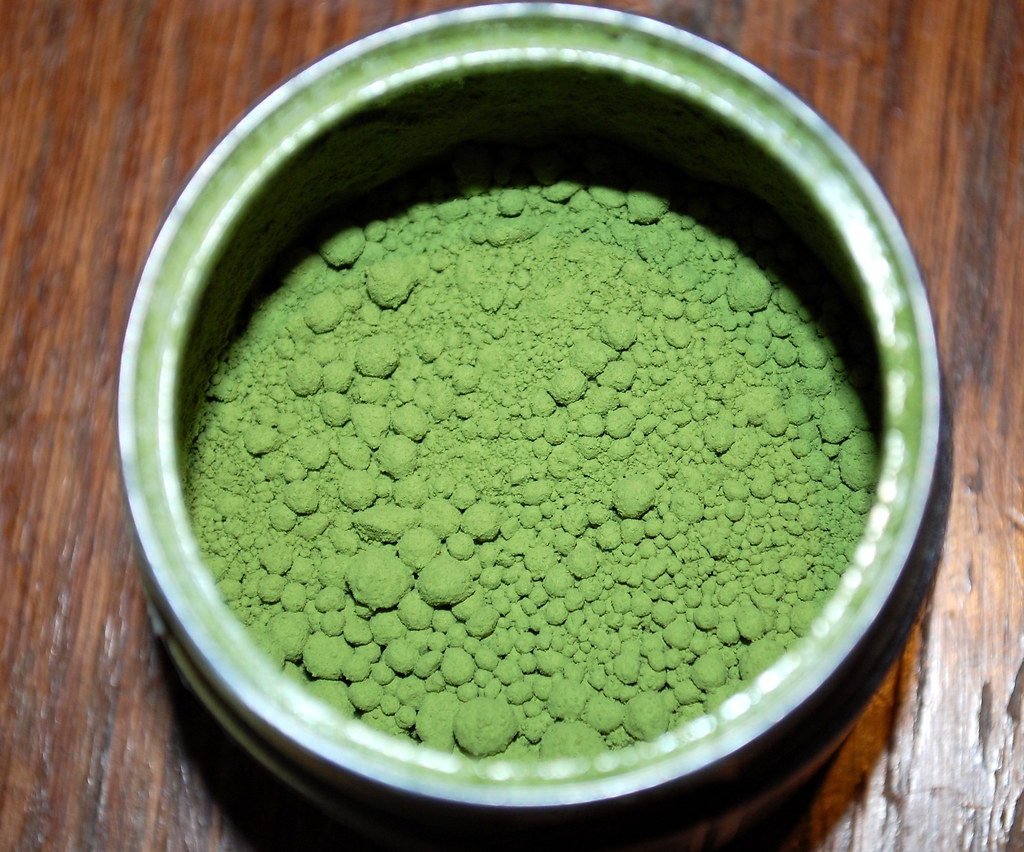
What is ceremonial green tea?
Ceremonial green tea is the highest, most carefully shaded and stone-milled grade of green tea — the same caliber traditionally reserved for tea ceremonies. Because the leaves are grown under shade and processed whole rather than steeped and discarded, the resulting powder concentrates far more of the plant's beneficial compounds. Chief among them are catechins, a family of plant polyphenols, with EGCG (epigallocatechin gallate) being the most studied. This concentration is exactly why ceremonial green tea has become a popular focus in conversations about green tea weight loss and natural, sustained energy.
EGCG & catechins explained
Catechins are antioxidant compounds that occur naturally in the Camellia sinensis plant. Green tea is unusually rich in them because it is minimally oxidized, preserving the delicate molecules that darker teas lose. EGCG is the most abundant and most researched catechin, and it's the one most often cited when scientists examine green tea's effect on metabolism.
Mechanistically, EGCG is believed to interact with an enzyme called catechol-O-methyltransferase (COMT). By gently slowing the breakdown of norepinephrine — a signaling molecule that tells fat cells to release stored energy — EGCG may help prolong the body's natural fat-mobilizing signals. When this is paired with the modest amount of caffeine naturally present in green tea, the two compounds appear to work together, which researchers describe as a synergistic effect rather than the action of caffeine alone.
Why green tea earns its place
- EGCG catechins — the headline polyphenol studied for metabolic support.
- Fat oxidation — research suggests catechins may support the body's use of fat for fuel.
- Clean energy — naturally paired with L-theanine for calmer focus.
- Antioxidants — helps support the body against everyday oxidative stress.
Green tea & fat oxidation
"Fat oxidation" simply means using stored fat as fuel. Several controlled studies have explored whether green tea catechins can nudge this process upward. A frequently cited trial published in the American Journal of Clinical Nutrition reported that a green tea extract increased 24-hour energy expenditure and the proportion of energy coming from fat, beyond what its caffeine content alone would explain. Later meta-analyses examining green tea catechins and body weight have generally pointed in a similar, if modest, direction — small but measurable support for fat metabolism, especially when combined with activity and a sensible diet.
It's important to keep expectations realistic and compliant: green tea is not a magic fat-burner, and no single ingredient melts fat on its own. What the evidence does support is that EGCG-rich green tea may help the body work a little more efficiently when it comes to burning fat — which is precisely why CitrusBurn pairs it with other thermogenic botanicals rather than relying on it alone. To understand how that combined effect works, see our overview of what thermogenesis is and why it matters.
Clean energy & focus
One of the reasons green tea feels different from coffee is L-theanine, an amino acid that occurs alongside caffeine in the leaf. L-theanine is associated with a state of calm alertness; it appears to soften the spike-and-crash pattern many people get from stronger stimulants. The practical result is energy and focus that tend to feel smoother and more sustained — useful when the goal is to stay active and consistent through the day. This is part of why CitrusBurn is positioned as a stimulant-light, jitter-friendly formula rather than a high-caffeine product. For more on lifting daily energy without harsh stimulants, read our guide to boosting metabolism naturally.
Antioxidant support
Beyond metabolism, green tea catechins are among the most potent dietary antioxidants studied. Antioxidants help the body manage free radicals — reactive molecules generated by normal metabolism, exercise, sun, pollution and stress. By supporting the body's defenses against everyday oxidative stress, EGCG contributes to the broader "feel good" profile people often associate with regular green tea consumption. This antioxidant role complements the polyphenols found in other CitrusBurn ingredients and across a produce-rich eating pattern like the Mediterranean diet for weight loss.
Why ceremonial grade?
Not all green tea is equal. Lower grades are harvested later, exposed to more sun, and often stripped of the most fragile catechins during processing. Ceremonial grade is shade-grown and gently milled, which protects a higher density of EGCG and theanine and yields a cleaner, less bitter compound profile. For a formula like CitrusBurn — where the value comes from the active catechins, not the flavor of a brewed cup — starting with a higher-grade, catechin-dense source helps ensure the green tea is contributing meaningfully rather than just adding bulk. It's the same philosophy behind sourcing concentrated Seville orange peel and other premium botanicals in the blend.
Inside the CitrusBurn formula
Green tea doesn't act in isolation inside CitrusBurn. It sits alongside five other plant-based ingredients chosen so their mechanisms complement one another: the capsaicin in Andalusian red pepper for post-meal calorie burn, the warming action of Himalayan mountain ginger, and the adaptogenic balance of Korean red ginseng. Together with green tea's EGCG, these are designed to support thermogenesis and clean energy as a system rather than a single lever. You can see the complete blend on the full CitrusBurn ingredients page.
As always, this content is educational and uses soft, supportive language by design. Green tea and CitrusBurn are intended to support healthy metabolism and energy — not to diagnose, treat or cure anything. If you're pregnant, nursing, sensitive to caffeine, or taking medication, talk with your physician before starting any new supplement.
See CitrusBurn's Full Formula & Pricing »