What berberine actually is
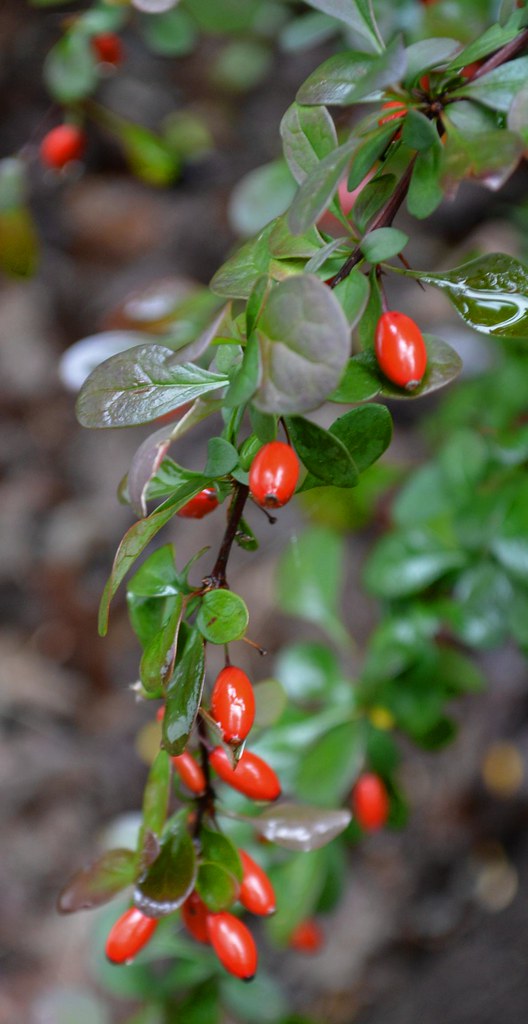
Berberine is a naturally occurring isoquinoline alkaloid extracted from several plants — barberry (Berberis), Oregon grape, tree turmeric and goldenseal among them. It has been used in traditional Chinese and Ayurvedic systems for centuries, originally valued for digestive and antimicrobial purposes. Modern interest, however, centers on something different: its striking effect on cellular energy metabolism. That shift in focus is what turned a humble yellow herb into one of the most talked-about ingredients in the modern berberine weight loss conversation. To see how it sits among the other botanicals, browse the full CitrusBurn ingredient list.
AMPK: the metabolic master switch
The reason berberine attracts so much research attention comes down to a single enzyme: AMPK (AMP-activated protein kinase). Think of AMPK as your cell's fuel gauge. When energy runs low, AMPK switches on and tells the body to stop storing and start burning — pulling glucose into cells, encouraging fat to be used for fuel, and improving how efficiently mitochondria work. Exercise and calorie restriction activate AMPK naturally, which is partly why those habits are so good for metabolism.
Berberine is one of the few plant compounds shown in studies to activate AMPK directly. By nudging this switch, berberine is designed to support the same kind of "burn, don't store" signaling your body uses during physical activity. That mechanism is closely related to the thermogenic story behind the whole formula — see how CitrusBurn supports thermogenesis for the bigger picture.
Blood sugar and glucose metabolism
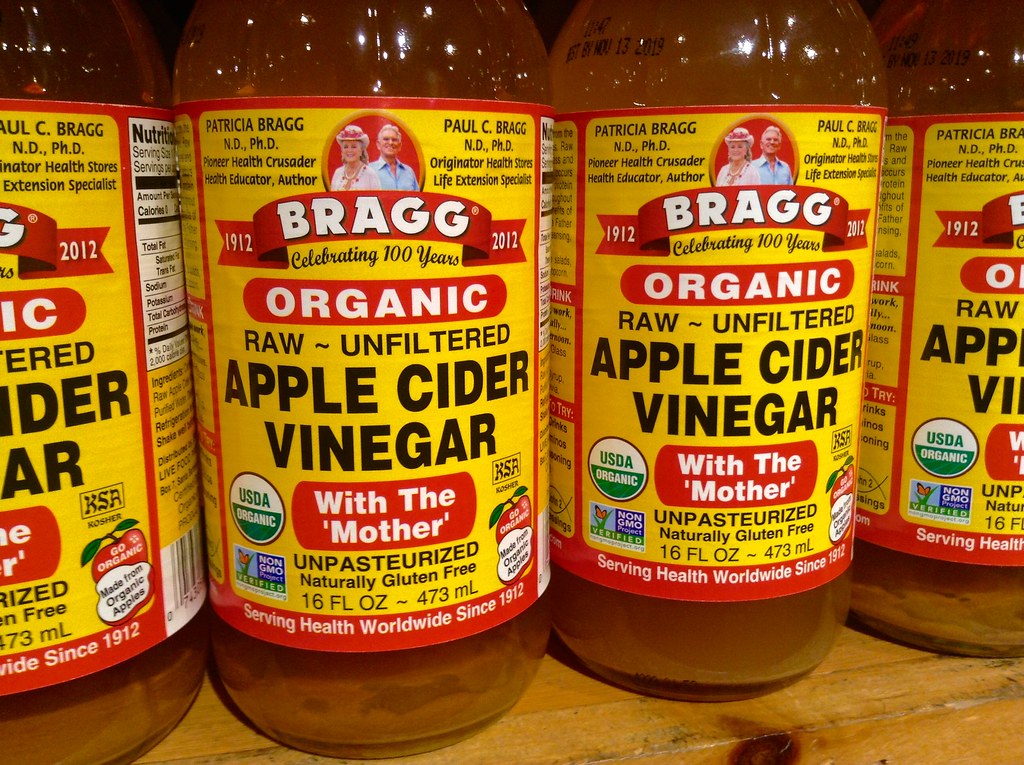
Because AMPK helps shuttle glucose out of the bloodstream and into cells, berberine has been studied most heavily for blood sugar support. Several clinical reviews report that berberine may help maintain healthy fasting glucose and post-meal glucose levels in people working to keep their metabolism balanced. Stable blood sugar matters for weight management too: sharp glucose swings often drive the cravings and energy crashes that derail healthy eating. By supporting steadier glucose handling, berberine may help curb that cycle — complementing ingredients like Spanish Red Apple Vinegar, which is also studied for blood sugar and fullness.
Berberine at a glance
- Activates AMPK, the cellular "energy switch"
- Studied for healthy blood sugar and glucose handling
- May support fat metabolism and healthy lipid balance
- Nicknamed "nature's Ozempic" — though it is not a drug
- Works best alongside diet, movement and sleep
The "nature's Ozempic" framing — read this carefully
You've probably seen berberine called "nature's Ozempic" all over social media. The nickname caught on because both berberine and prescription GLP-1 medications influence blood sugar and appetite-related pathways. But it's important to be honest: berberine is not Ozempic, it does not work through the same mechanism, and it is far gentler in effect. It is a dietary supplement ingredient meant to support metabolic health — not a weight-loss drug, and not a replacement for one. Anyone managing a diagnosed condition should talk to their doctor rather than swapping medication for a supplement.
Used realistically — as one supporting nutrient within a balanced lifestyle — berberine's "nature's Ozempic" reputation makes more sense. It's a gentle metabolic helper, not a magic bullet.
Gut and lipid effects
Berberine's original traditional use was digestive, and modern research has circled back to the gut. Early studies suggest berberine may interact favorably with the gut microbiome, which is increasingly recognized as a player in metabolism and weight. Berberine has also been examined for supporting healthy cholesterol and triglyceride levels already within a normal range. These lipid and gut effects round out why berberine pairs naturally with botanicals such as Himalayan Mountain Ginger and Ceremonial Green Tea, which support digestion and fat oxidation respectively.
Evidence and safety
Human research on berberine is genuinely encouraging compared with many trendy supplements, but it isn't unlimited — studies vary in size and quality, so claims should stay modest. On safety: berberine is generally well tolerated, with mild digestive upset (cramping, looser stools) being the most common report, usually when doses are taken all at once rather than split with meals. The bigger consideration is drug interactions. Berberine can affect how the body processes certain medications, so it is not appropriate for everyone.
Do not use berberine if you are pregnant or nursing. If you take prescription medication — especially for blood sugar, blood pressure or cholesterol — consult your physician before starting any berberine-containing product. For a fuller rundown, see our CitrusBurn side effects & safety guide.
Why berberine is in CitrusBurn™
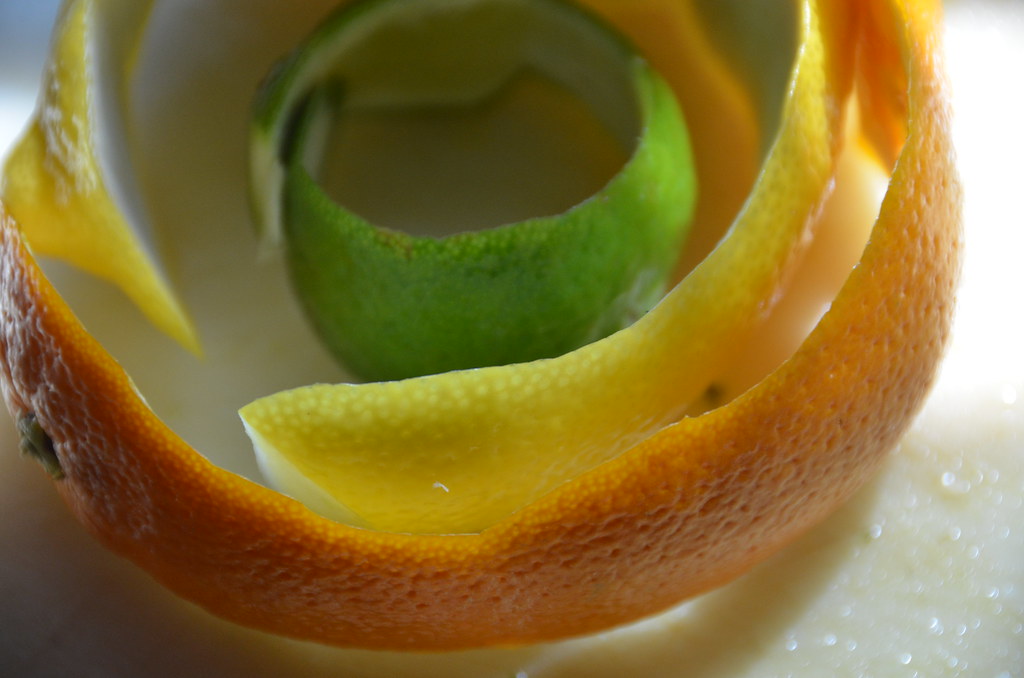
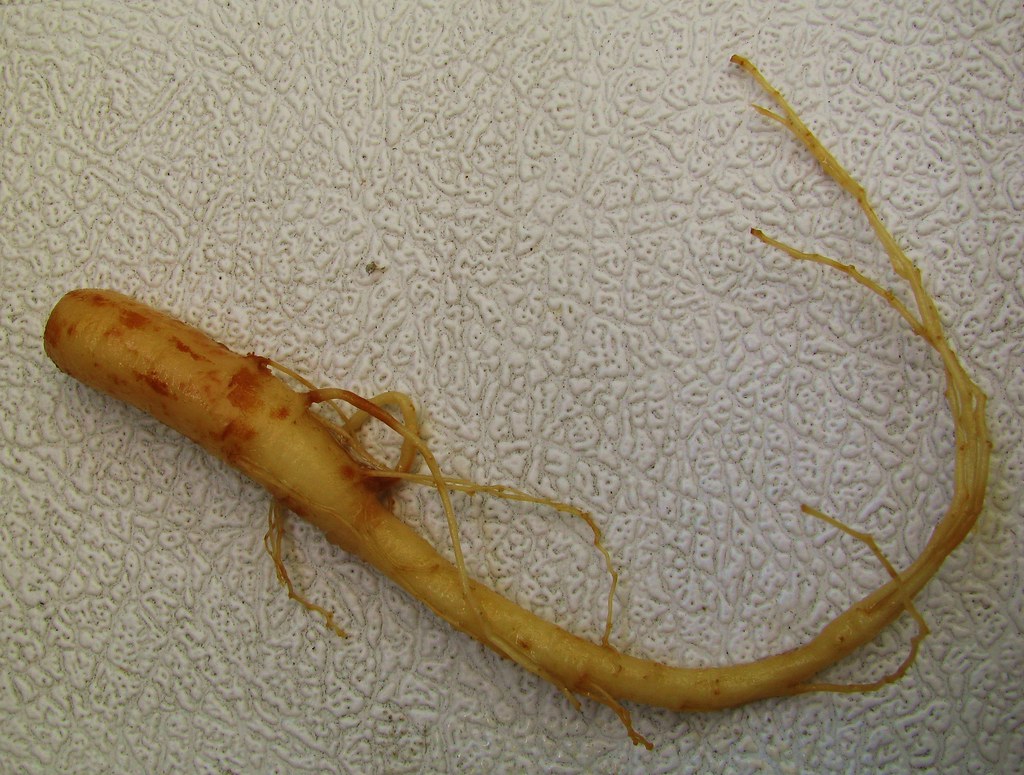
CitrusBurn™ is built around a "burn, don't store" philosophy, and berberine fits that thesis precisely. Where Seville Orange Peel and Andalusian Red Pepper are designed to support thermogenesis and calorie burn, berberine works upstream at the AMPK level to support how cells use glucose and fat in the first place. Combined with the energy and adaptogenic support of Korean Red Ginseng, the formula is designed to help your metabolism work with you rather than against you. Explore the full ingredient breakdown to see how each piece fits together.

Our team reviews each ingredient page against publicly available research and traditional-use literature. This content is educational and is not medical advice. Always consult a qualified healthcare professional before starting a new supplement.